


































The Story Of Heidi
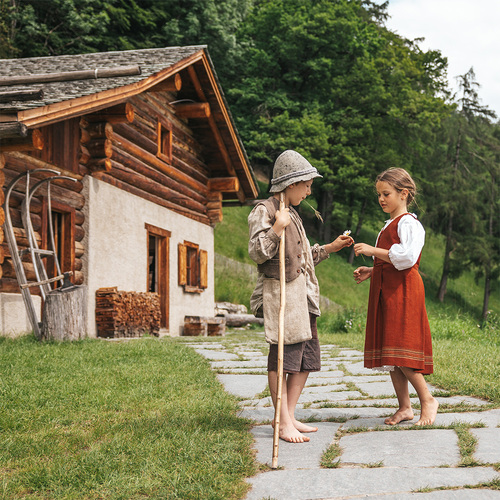

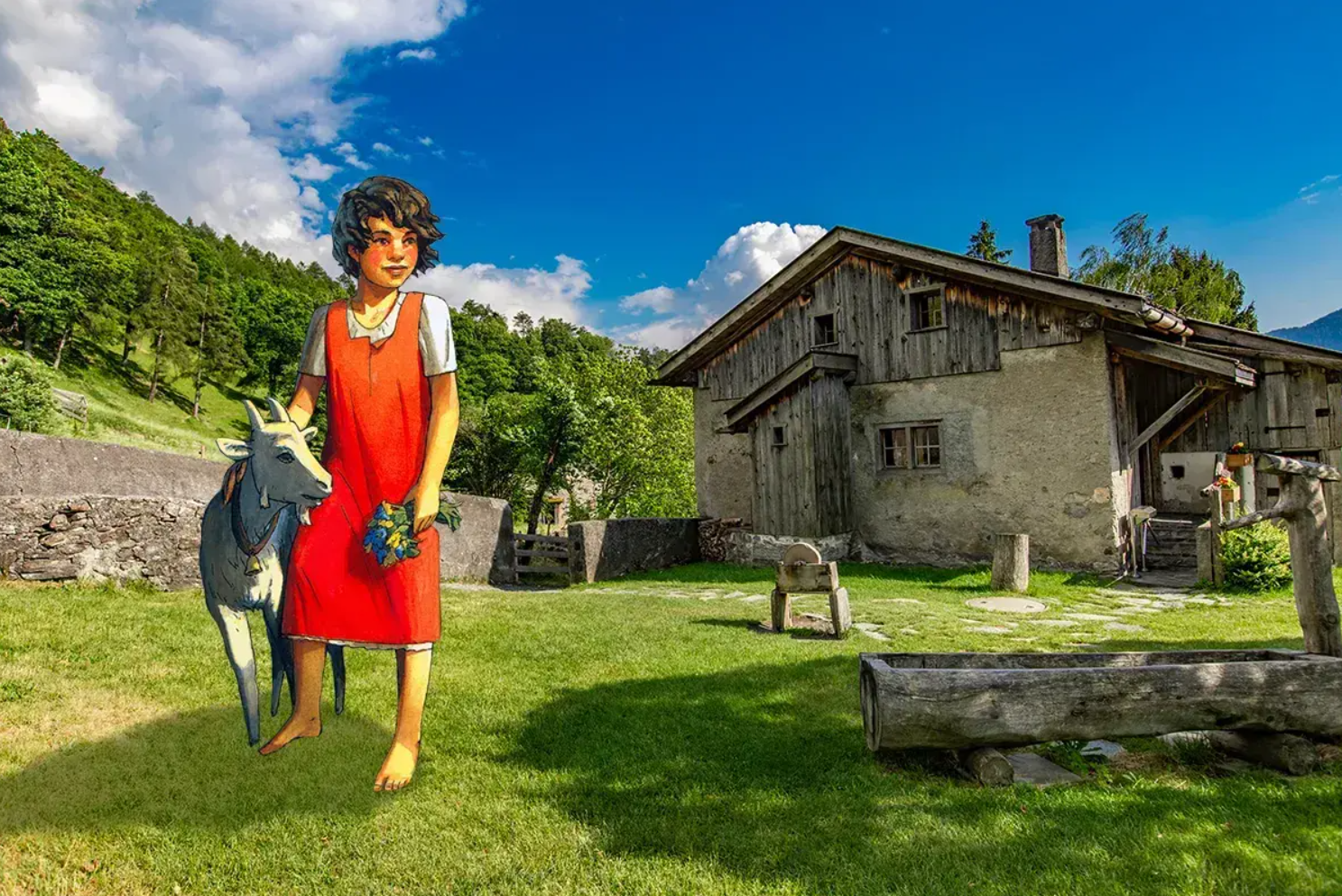
The famous Swiss story of Heidi, published in 1881, is one of the best-selling books ever written. Written by Swiss author Johanna Spyri, this book is a children’s story inspired by the healing power of nature. Whilst not based on a true story; the novel is deeply inspired by 19th-century Swiss life, including the landscapes, culture, and the experience of homesickness, reflecting real societal issues of the time.
What Is The Story About?
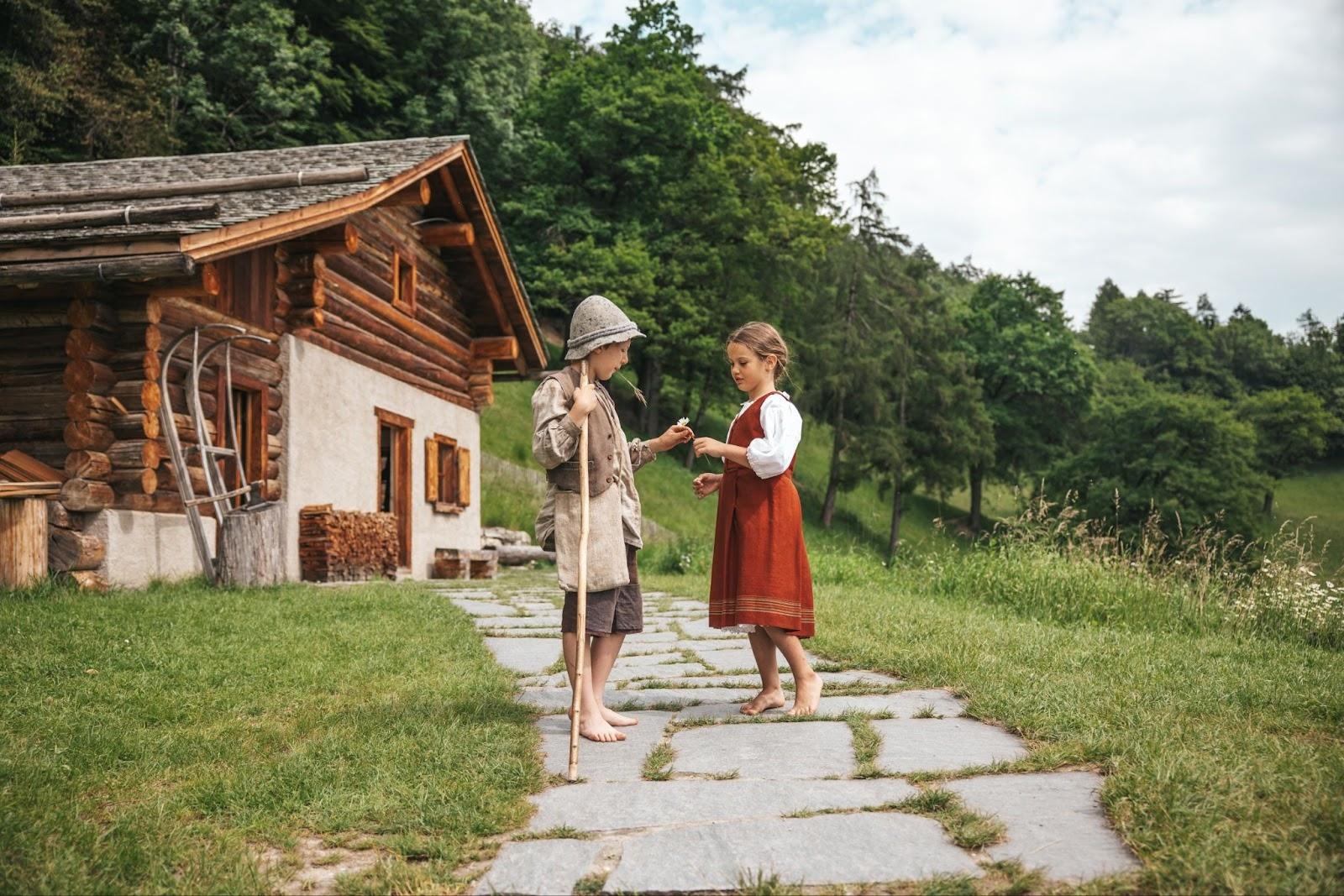
At its core, Heidi is a story of resilience, transformation, and the healing power of the natural world.
The story is set in the real town of Maienfeld in the Swiss Alps, which is now a tourist spot with its own Heidi Village ("Heididorf").
The narrative begins with five-year-old orphan Heidi being taken up the Swiss mountains by her aunt to live with her grandfather, the Alm-Uncle, a man who has turned his back on society and lives in a secluded hut. While the villagers see him as a grumpy hermit, Heidi sees the kindness beneath his gruff exterior. Under the shade of the towering fir trees, she learns to love the simple rhythms of mountain life: drinking fresh goat’s milk, sleeping in a hay loft, and wandering the wildflower-filled meadows with her best friend, Peter the goat-herder. The emotional weight of the story shifts when Heidi is abruptly moved to the rigid, paved city of Frankfurt 3 years later to become a companion for Clara, a sick girl of a wealthy family. In the city, Heidi is confined by strict social rules and the "stone cage" of urban architecture, causing her to fall ill with homesickness. This segment of the story highlights a major theme: that the human spirit needs nature to thrive. Though Clara’s mansion offers luxury, Heidi misses the fresh mountain air and her grandfather.
The story continues when Heidi finally returns to her grandfather and later hosts her friend Clara in the mountains. In the fresh Alpine air—supported by Heidi’s unwavering optimism and the grandfather’s care—Clara eventually gains the strength to stand and walk again. This "miracle" on the mountain cements the story’s legacy as a testament to the idea that home is where the heart (and the fresh air) is.
Spyri wrote the book during a time of rapid industrialization. She wanted to remind readers that the "simple life" held a spiritual and physical health that cities couldn't provide. It serves as a reminder to slow down and appreciate the smaller moments in life.
Modern Portrayal
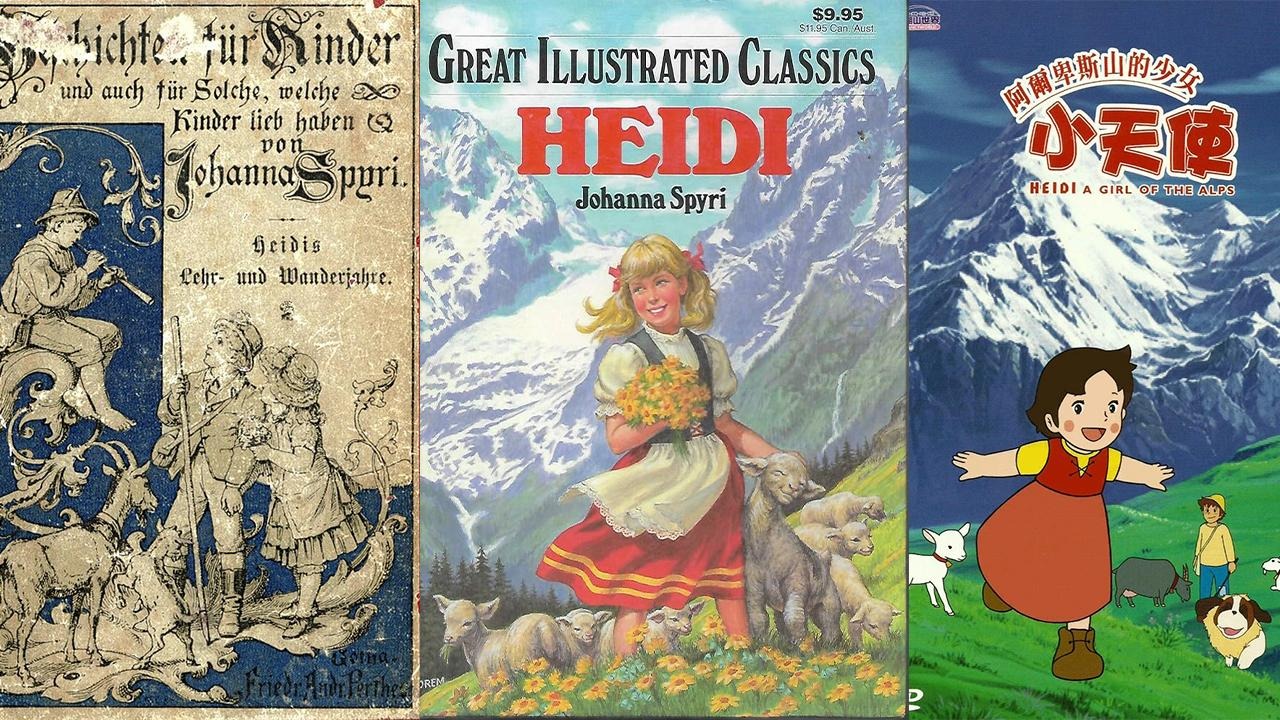
The story of Heidi has transformed into a global cultural phenomenon that has shaped the world’s perception of Switzerland for over a century.
Heidi was written during a period of intense industrialization, serving as a poignant reminder that the human spirit requires nature, fresh air, and community to truly thrive. This "Swiss Cure"—the idea that the mountains can heal the ailments of city life—remains a powerful theme today.
In the modern era, Heidi’s legacy has expanded far beyond the pages of the original novel. One of the most significant shifts in her global image came in the 1970s through a Japanese anime series directed by Isao Takahata and Hayao Miyazaki. Their vibrant portrayal of the Swiss landscape turned Heidi into a superstar in Asia, sparking a wave of "Heidimania" that continues to bring thousands of tourists to the Swiss Alps every year. Today, fans can visit the official "Heididorf" in Maienfeld Switzerland, a living museum where the grandfather’s hut and the village schoolhouse have been recreated. This physical connection to the story allows visitors to step directly into the world depicted in the story 146 years ago.
Johanna Spyri's classic story has been one of the most frequently adapted works in children's literature. Since the first silent film in 1920, there have been approximately 30 major film and television productions of Heidi worldwide. These adaptations range from Hollywood classics to iconic Japanese anime and modern CGI series. When it comes to printed book versions of Heidi, the numbers are staggering because the story has never been out of print since its debut in 1880. There are thousands of unique editions of the book, and the book has been translated into over 70 languages, with over 50 million copies of the book sold worldwide, making it one of the best selling books of all time. Today, there are currently over 3,000 different editions (including various covers, illustrators, and abridged versions for toddlers), and in Japan alone, there are over 300 different translated versions of the book, largely thanks to the massive popularity of the 1970s anime.
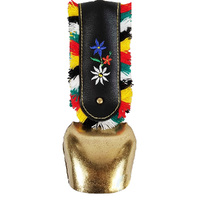
Heidi’s influence also permeates European theater and seasonal traditions. From large-scale musical productions staged against the dramatic backdrop of Lake Walenstadt to the various film adaptations, the story is constantly being reimagined for new generations. Her spirit is felt most strongly during the Almabtrieb, the traditional autumn festival where livestock are adorned with flowers and bells as they descend from high mountain pastures. This colourful procession is a major community event, bringing locals and tourists together for folk music, traditional dress, and regional food to honor the alpine farmers' hard work and the safety of their herd.
To commemorate the 100th anniversary of her death, Johanna Spyri was featured on Swiss currency in 2001.
Heidi in Cuckoo Clocks
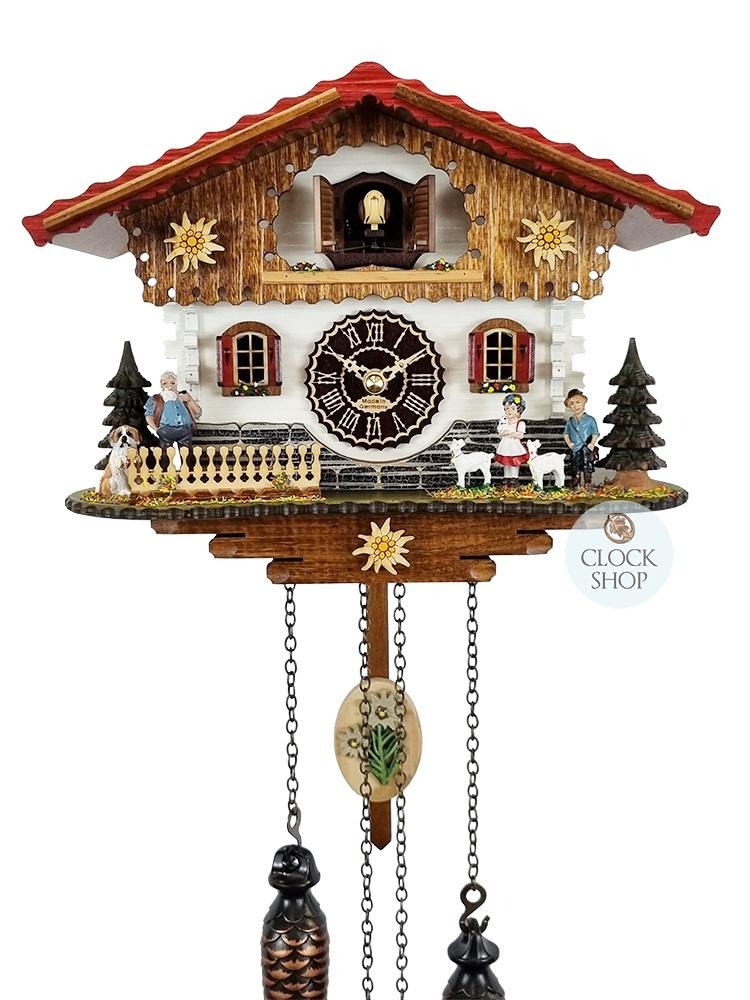
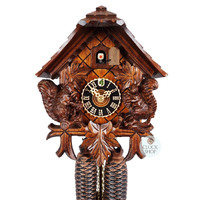
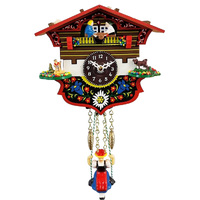
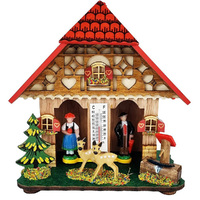
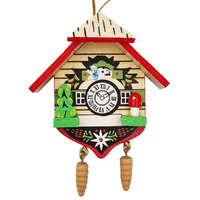
Heidi House Battery Chalet Cuckoo Clock With Edelweiss Flowers 21cm By TRENKLE
In the world of horology, the integration of Heidi characters into cuckoo and German clocks offers a unique tribute to the famous story. By featuring hand-painted figurines of Heidi, Peter, and the Alm-Uncle, Black Forest clockmakers clearly represent 19th-century Swiss alpine life. In fact, the Heidi theme remains one of the most sought-after cuckoo clock designs because it resonates with a universal longing for a simpler life. For a collector, owning a Heidi-themed cuckoo clock offers a piece of folk history that celebrates innocence, the beauty of the Alps, and the connection between humanity and the natural world.
View our full range of Heidi Clocks here.
Take A Closer Look At One Of Our Heidi Cuckoo Clocks