






















A Playlist Through Time
Author: Erin Crisci Date Posted:1 May 2026

Music has always been at the centre of the human experience. Melodies composed by candlelight hundreds of years ago continue to resonate with us today, just as strongly as the cinematic themes and pop songs of the modern era. Many of these songs that have travelled through time are still as popular today as when they were first composed.
Invented in 1770, the music box offers a unique window into this musical evolution, allowing us to play these famous melodies in the palm of our hand. From the formal elegance of the 18th-century ballroom to the rebellious spirit of 1960s pop, this "Playlist Through Time" explores the stories behind some of the popular melodies featured in our Music Box collection, tracing the journey of some of the most popular songs that have shaped our world.
1700s – early 1800s
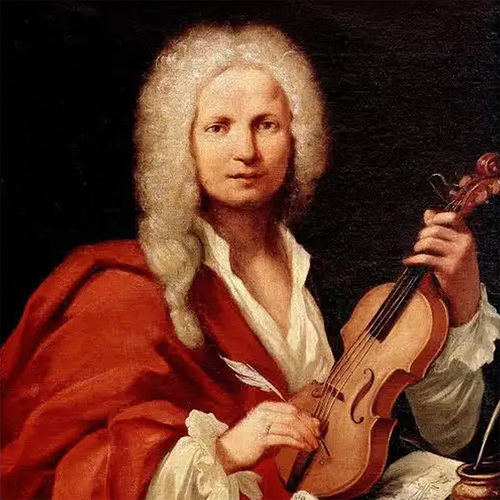
In the earliest days of the music box, the melodies chosen were often those that showcased technical precision. Spring (1720) by Antonio Vivaldi from The Four Seasons, was a revolutionary choice. Vivaldi was one of the first composers to use "program music", which is defined as music designed to evoke specific natural scenes described in accompanying sonnets. The music in the song depicts spring scenes including bird songs, flowing streams, and thunderstorms—through melodic imitation and virtuoso violin techniques.
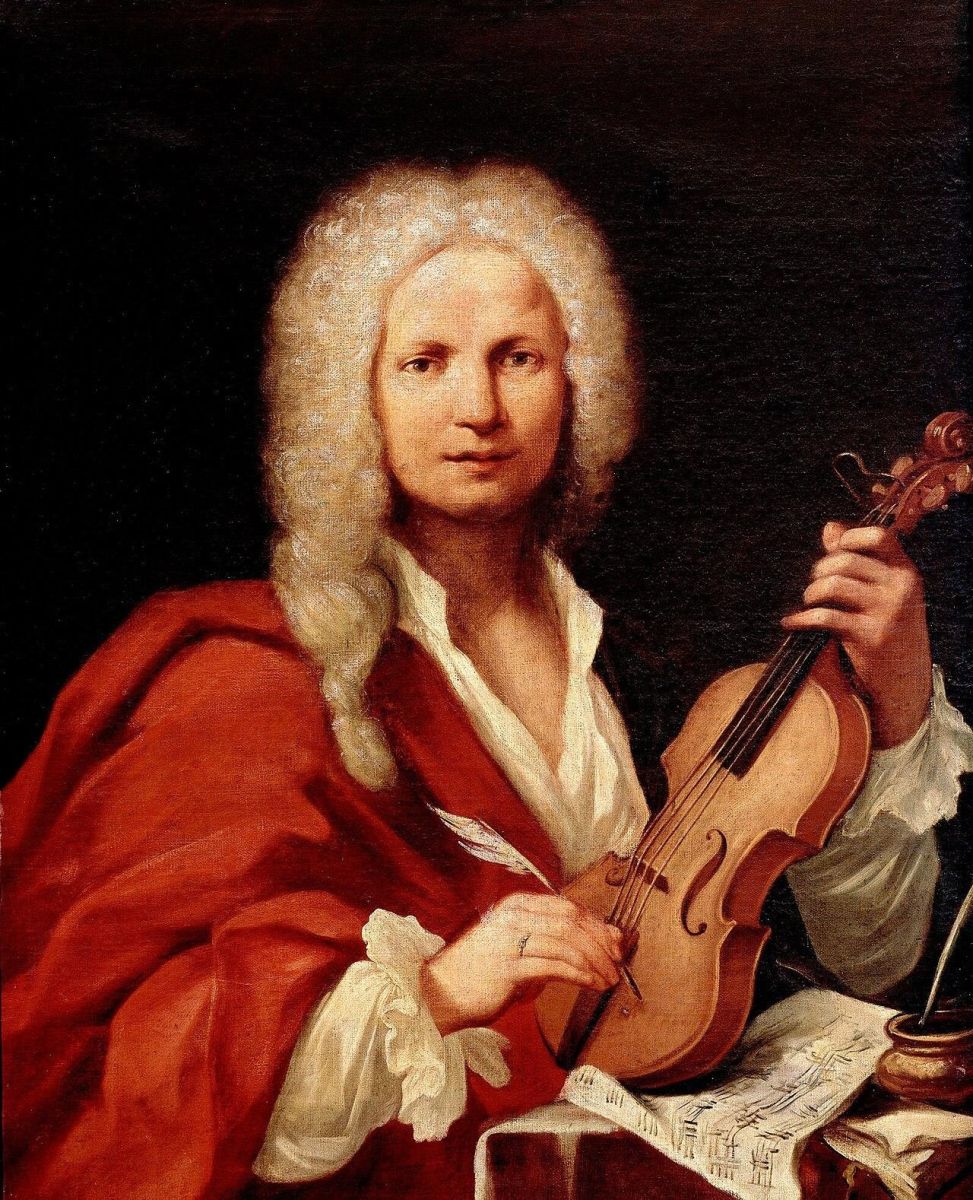
Antonio Vivaldi
Amazing Grace (1772) is another popular melody with a powerful historical backstory. The lyrics were written by John Newton, a former slave ship captain who underwent a spiritual transformation after surviving a violent storm at sea. The tune is still as popular today, over 250 years later.
During this era of the Enlightenment, music was all about balance and mathematical beauty. Wolfgang Amadeus Mozart was a prolific Austrian composer and child prodigy who perfected the Classical style by composing over 600 works, including renowned operas, symphonies, and chamber music. Eine kleine Nachtmusik (A Little Night Music) (1787) was likely composed as a lighthearted, commissioned piece of entertainment. Despite its popularity, the specific reason for its composition remains unknown. Minuet is another Mozart composition which represents the height of 18th-century ballroom etiquette, embodying elegant, balanced and courtly ballroom dances in 3/4 time. These were "mathematical" dances where every step was timed to the music. Around the same time, Piano Sonata No. 11 (1788) also became a sensation.
There is no doubt that Mozart produced a number of influential melodies during his 35 year life. His composition of The Magic Flute (1791) is now a cornerstone of opera, though it was originally written as a "people’s opera." Mozart wanted to create something that wasn’t just for the aristocracy, so he filled it with magic, comedy, and a bird-catcher character named Papageno.
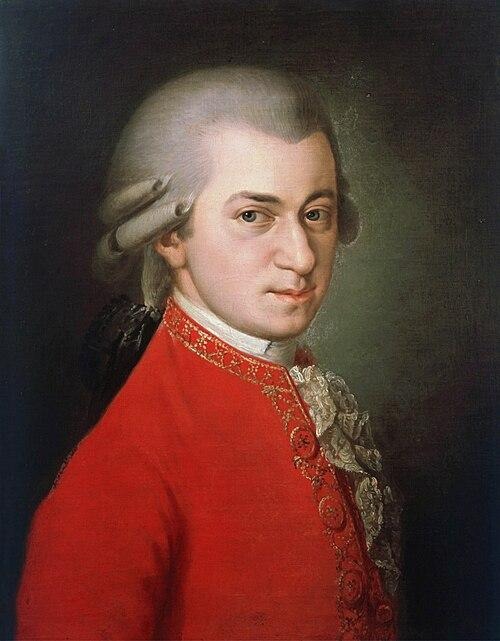
Wolfgang Amadeus Mozart
Perhaps the most surprising history belongs to Twinkle, Twinkle, Little Star, arguably one of the most loved songs today. While many attribute the melody to Mozart, it actually comes from an 18th-century French folk song titled "Ah! vous dirai-je, maman" (Shall I tell you, Mama?). It was a catchy "pop" tune of the 1760s. Mozart loved it so much that he wrote a number of complex piano variations on it. It wasn’t until 1806 that Jane Taylor wrote the famous English poem about the star, with the earliest appearance of the words and music together dates to 1838. Today, that same melody pulls double-duty as the ABC Song and Baa, Baa, Black Sheep, making it arguably one of the most versatile and recognised melodies in existence.
Mid-1800s-Late 1800s
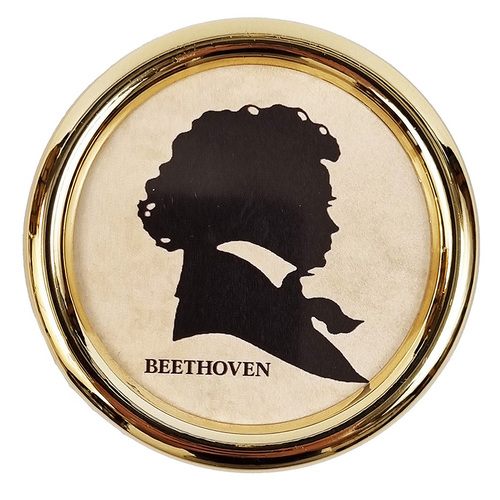
As we moved into the 19th century, music became more emotional and "atmospheric." Moonlight Sonata (1801) by Ludwig Van Beethoven is the ultimate example. Interestingly, Beethoven never named it ‘Moonlight’, the name which was coined in 1832, five years after his death. It was actually named by music critic and poet Ludwig Rellstab, who compared the melody to moonlight reflecting upon Lake Lucerne in Switzerland. On the opposite end of the music spectrum is Beethoven's Ode to Joy (1824). When Beethoven wrote this, he was almost completely deaf and had to be turned around at the premiere to see the audience’s applause. Perhaps one of his most famous compositions is Für Elise (1810), a world-renowned piano piece. Interestingly, this piece was never published during Beethoven’s life. It was published in 1865, long after his death in 1827. The title likely refers to a student or love interest, with leading theories pointing to Therese Malfatti, a woman he proposed to. Many historians believe the title was actually a typo. The original manuscript was so messy that the scholar who found it likely misread "Therese" as "Elise." Regardless of the name, its beautiful melody remains immensely popular today, enduring as one of the most recognizable and frequently played piano pieces worldwide.
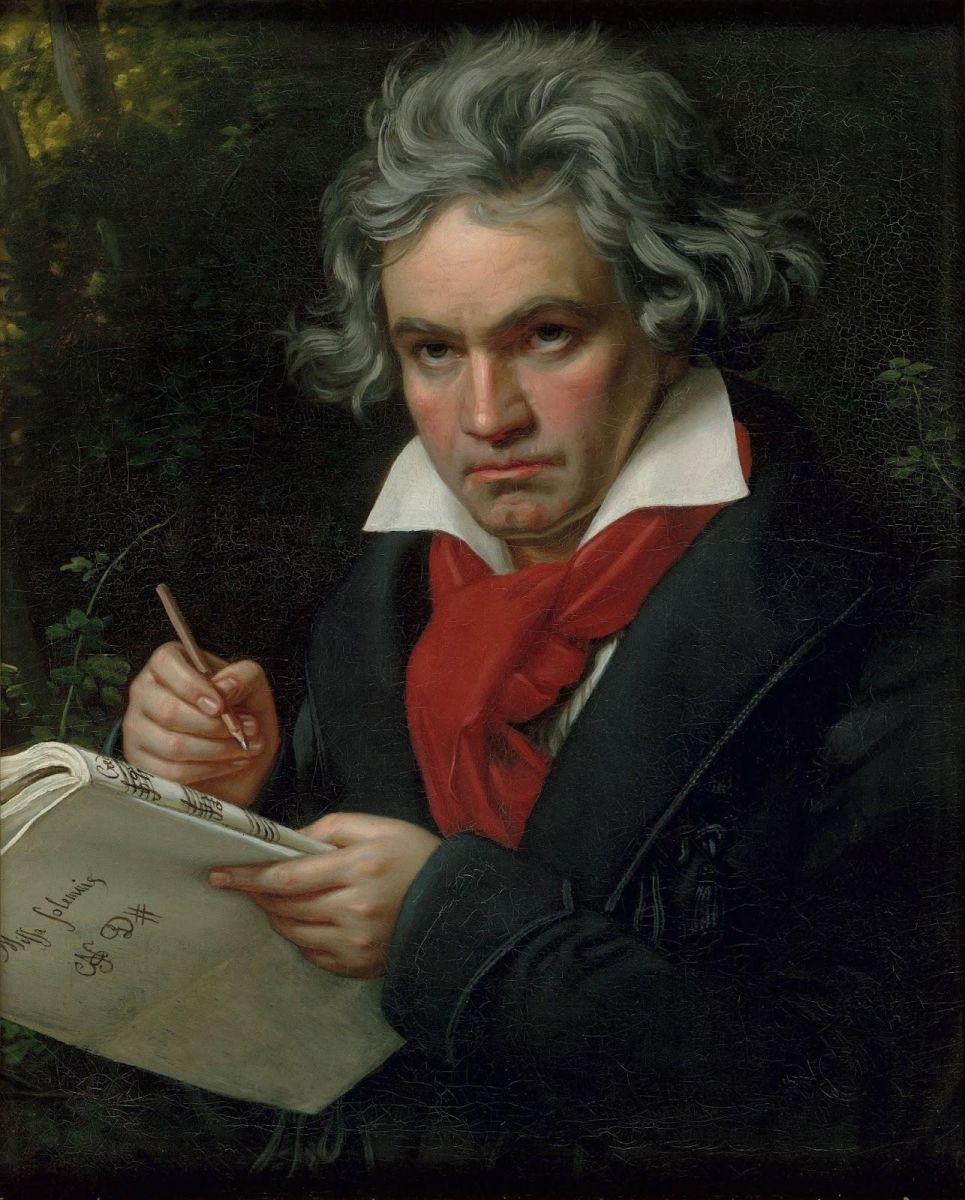
Ludwig Van Beethoven
For those celebrating life’s milestones, the Wedding March (1842) by Felix Mendelssohn became the global standard for brides after it was chosen by Queen Victoria’s daughter for her own wedding. Written in C major, it is one of the best known pieces from his suite of incidental music to Shakespeare's play A Midsummer Night's Dream.
Around the time the music box became a staple in Victorian homes in the mid 1800’s, the "Waltz" became the rhythm of the era. Johann Strauss II, known as the "Waltz King," debuted The Blue Danube (1867). Originally performed at a concert of the Wiener Männergesang-Verein as a choral work for the Vienna Men's Choral Society, the debut turned out to be a flop. It wasn't until Strauss performed an orchestral version (without the awkward lyrics people disliked at the time) that it became a global sensation. Its sweeping, river-like flow became the gold standard for luxury music boxes of the 19th century, and today is the unofficial anthem of Austria.
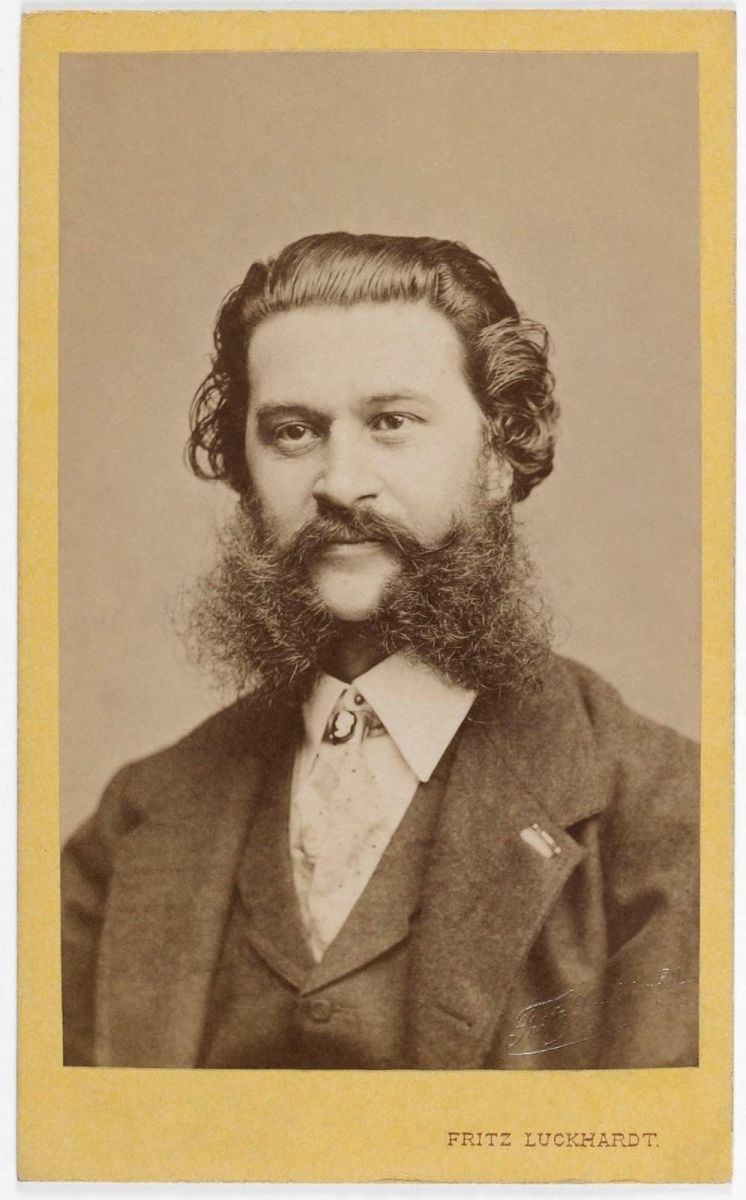
Johann Strauss II
The late 19th century gave us music meant for rest and reflection. Johannes Brahms’s Lullaby (1868) is perhaps the most famous melody for newborns. It was actually written for a friend, Bertha Faber, to celebrate the birth of her second son, and today the melody remains a well-loved song for newborn babies.
During this same period, Pyotr Ilyich Tchaikovsky was transforming the world of ballet. Pieces like Swan Lake (1876), The Sleeping Beauty (1890), along with Waltz of the Flowers from The Nutcracker Suite (1892), brought a new sense of drama and fairy tale magic to the ballet world. Dance of the Sugar Plum Fairy (1892), also from The Nutcracker Suite is famous for featuring the celesta, a newly invented keyboard instrument that produced a delicate, bell-like sound. Tchaikovsky discovered the instrument in Paris and smuggled it into Russia to keep its "heavenly" sound a secret for the Nutcracker premiere. Tchaikovsky could write melodies that were so infectious they stayed in your head for days, a quality that makes them just as popular today as they were in the late 1800s.
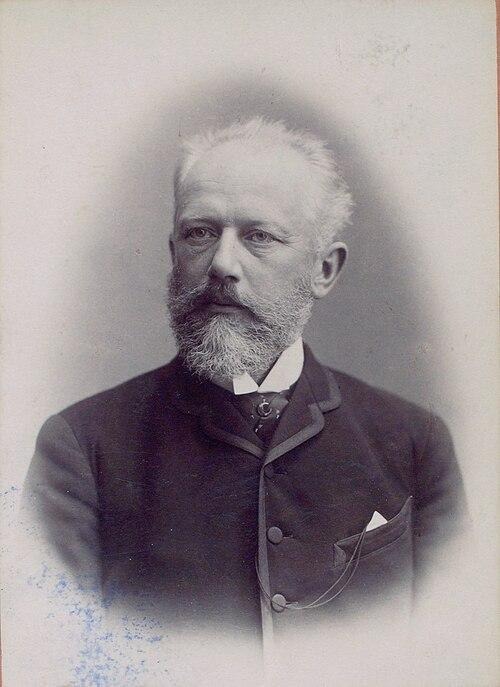
Pyotr Ilyich Tchaikovsky
In the last decade of the 1800s, the world was leaning into the opulence of the late Victorian era. Johann Strauss II composed the Emperor Waltz (1889) to celebrate a "toast of friendship" between the Austrian and German Emperors Franz Joseph I and German Kaiser Wilhelm II. The title was a clever marketing move by Strauss’s publisher; it was originally called "Hand in Hand," but the "Emperor" branding made it an instant must-have for every ballroom in Europe.
It was also during this time that a humble kindergarten greeting became a global phenomenon. The melody for Happy Birthday (1893) was originally written by two sisters, Patty and Mildred Hill, but the lyrics were originally "Good Morning to All." It took decades for the "Birthday" lyrics to catch on, eventually becoming the most recognised song in the English language and a staple for celebratory keepsakes that is as popular as ever today.
Early 1900s
By the turn of the century, music began to shift toward "Impressionism"—focusing on mood and atmosphere. Clair de Lune (1905) by Claude Debussy is the perfect example. Inspired by a poem about a moonlit night, the melody creates a feeling of stillness. It is often chosen for music boxes today because of its unique ability to soothe and calm.
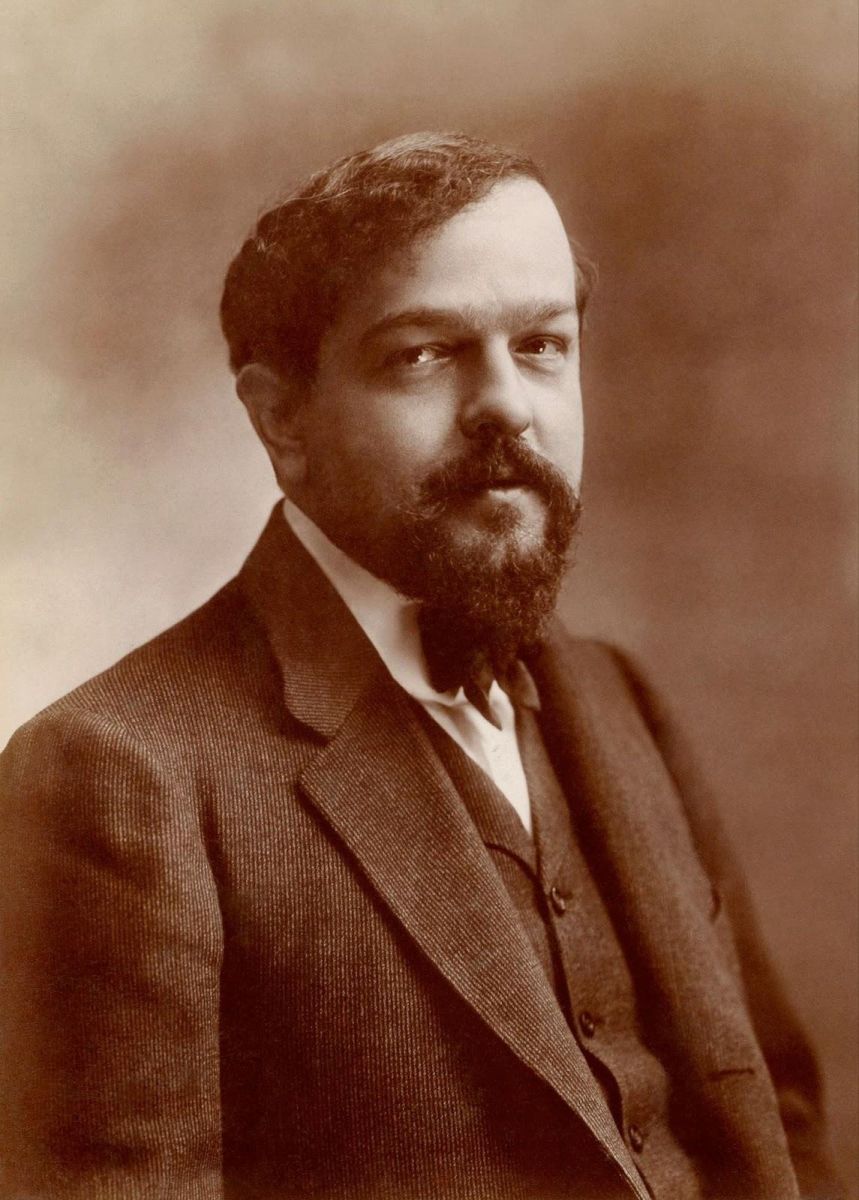
Claude Debussy
On a lighter note, folk traditions gave us Old MacDonald Had a Farm (1920), which evolved from various "cumulative songs" across Great Britain, Ireland and North America, dating back to 1706, though the version we still listen to today was published in 1920. The song has undergone many adaptations across many languages throughout history.
In the early 1900s, melodies also began to come from the stage and screen. The 1930s gave us what is often referred to as the "Number One Song of the 20th Century" Over the Rainbow (1938). Written for The Wizard of Oz (1939), the song was actually cut from the film by studio executives who thought it "slowed down the movie." It only stayed because the associate producer threatened to quit if they removed it. The song has since become a universal symbol of yearning and escapism—the "somewhere" we all wish to go. It has received numerous awards over the years, including an Academy Award for Best Original Song in 1940, #1 Song of the 20th Century by RIAA, and the Greatest movie song of all time by the American Film Institute in 2001. In 2017 it was also selected into the National Recording Registry by the Library of Congress for being culturally and historically significant.
1940s- Today
As we move into the 20th century, the music started to shift towards film and pop culture. La Vie En Rose (1945) by Edith Piaf emerged from the streets of post-war Paris. While her songwriting team initially thought the song was "too weak" to be a hit, Piaf trusted her gut. It became her signature song, representing the joy of finding love after the hardships of WWII—making it one of our most romantic music box options.
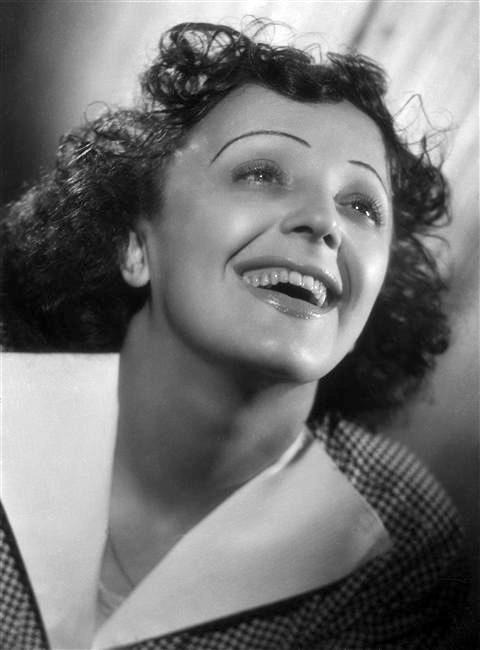
Edith Piaf
Though often mistaken for a traditional Austrian folk song, and featured in countless cuckoo clocks, Edelweiss (1959) is a well known song which was actually written by Oscar Hammerstein II for the 1959 musical The Sound of Music. It was the final song Hammerstein ever wrote; battling terminal cancer at the time, he intended the piece as a "blessing" and a poignant final farewell. Within the story, the song serves as a patriotic tribute performed by Captain von Trapp, who uses the resilient Edelweiss mountain flower to symbolise his enduring love for an independent Austria that is being consumed by the Nazis.
Around the same timeframe, The Pink Panther Theme (1963) offered a jazz instrumental melody composed by Henry Mancini for The Pink Panther film. It was a massive hit, featuring a distinctive, tenor saxophone solo played over a suspenseful, blues-influenced arrangement, designed to evoke a "sneaking" feel.
Then in the mid 1960s, The Beatles changed the world, with timeless melodies like Yesterday (1965), Hey Jude (1968), Yellow Submarine (1969), and Let It Be (1970), proving that modern pop could be just as "classical" as Mozart. These songs rely on simple, powerful harmonic structures that translate beautifully to the metallic "comb" of a music box. The Beatles didn't just top the charts; they triggered a phenomenon known as Beatlemania that saw them become the most influential band in history. Between 1962 and 1970, the "Fab Four" were incredibly prolific, composing an estimated 213 songs together, the vast majority of which were penned by the legendary songwriting partnership of John Lennon and Paul McCartney. Their cultural dominance was so absolute that at one point in 1964, they held all top five positions on the Billboard Hot 100 simultaneously—a feat of popularity that remains a benchmark for musical success today.
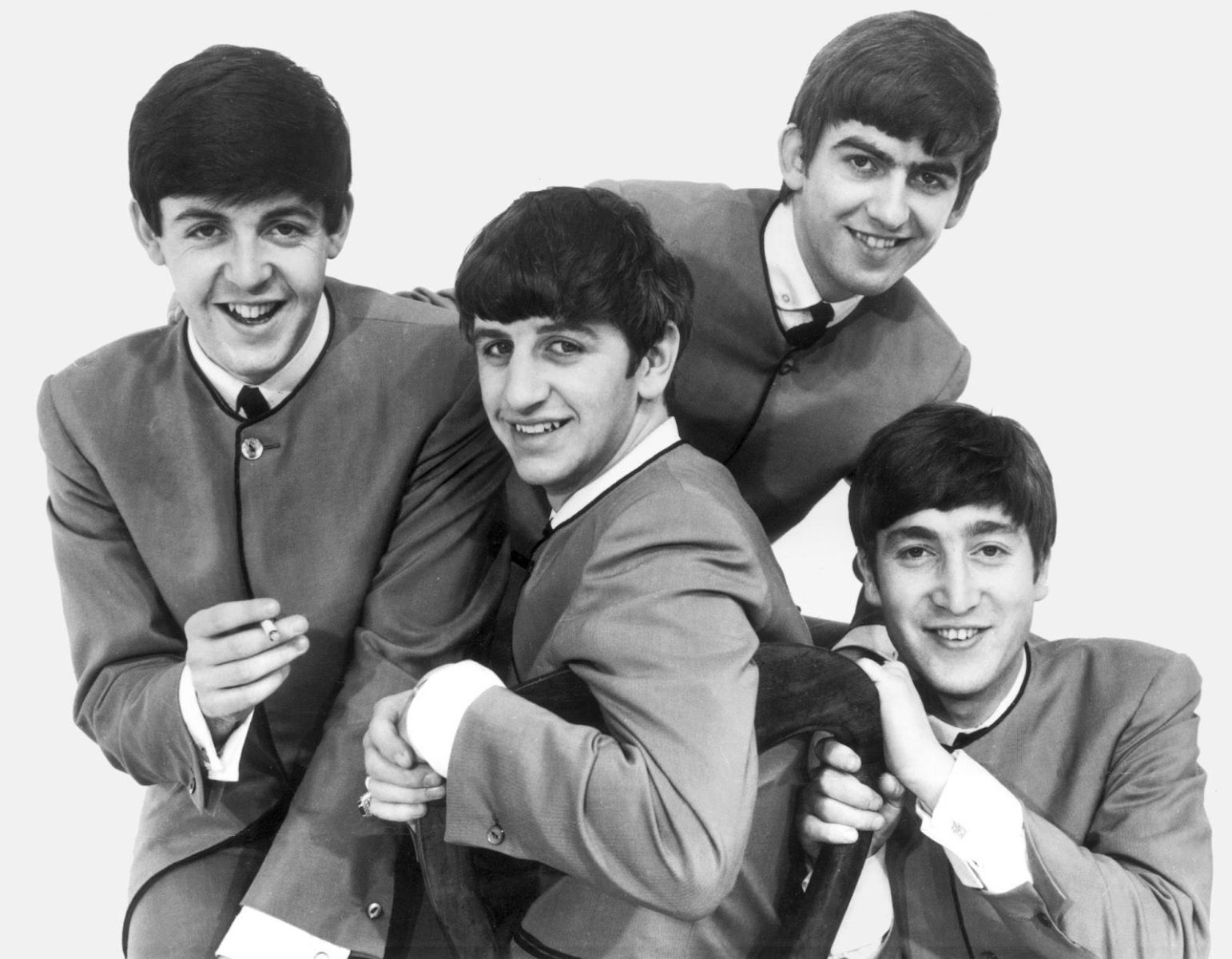
The Beatles
Whilst Beatlemania and the counterculture era of the late 60s was sweeping across the world, Nino Rota’s Love Theme from Romeo & Juliet (1968) and the melancholic theme from Love Story (1971) by Francis Lai defined the "romantic sound" of the era.
Finally, the 1980s brought about new theatrical heights with the production of Memory (1981), by Andrew Lloyd Webber, produced for the musical Cats which debuted in London in 1981. This "modern classic" was actually a last-minute addition to the musical. Lloyd Webber had the melody lying around from a previous project and was worried it sounded too much like a Puccini opera. His father famously told him, "It sounds like a million dollars!" He was right—it became one of the most recorded songs in history.
Music Box Melodies
Music is a universal language that has the power to capture the spirit of an era, surviving through centuries of war, technological revolutions, and ever-shifting tastes. From the grand, structured compositions performed in the intricate royal courts of the 18th century through to the sweeping soundtracks that define modern cinema, the evolution of music reflects the very best of our collective creativity.
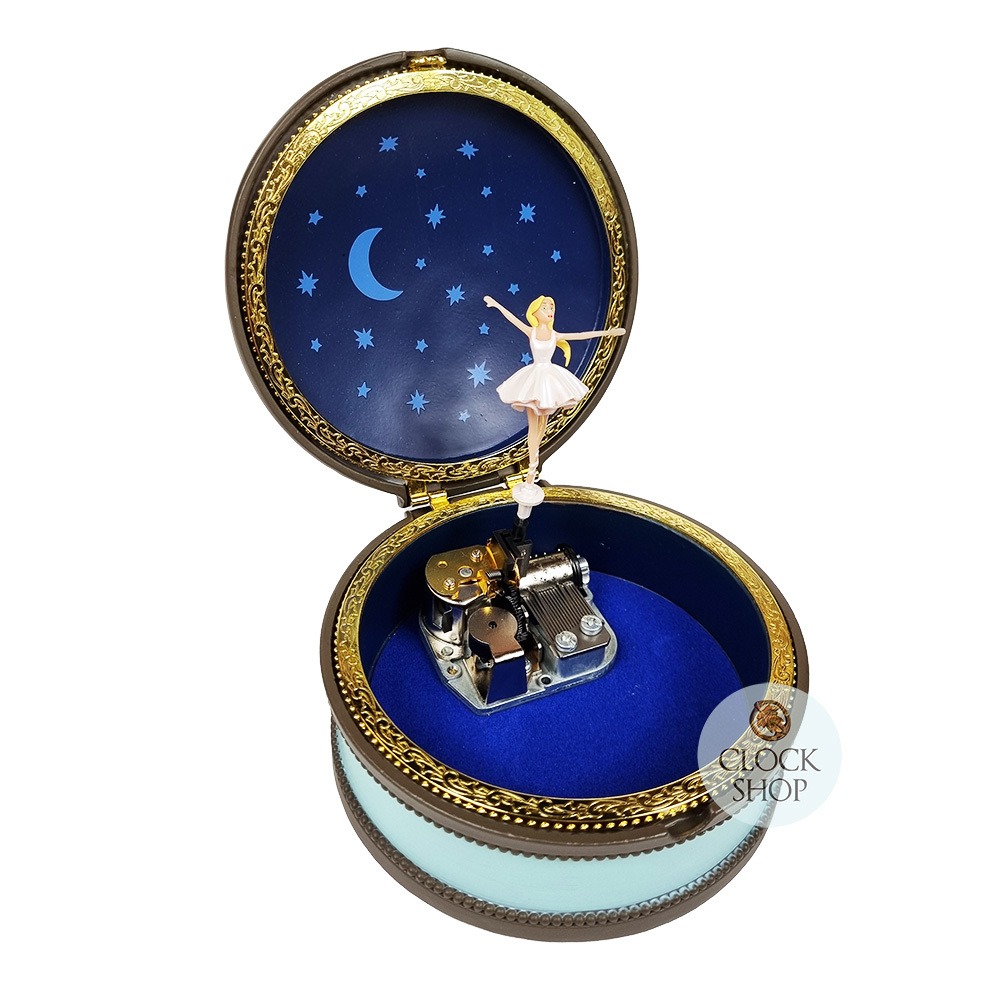
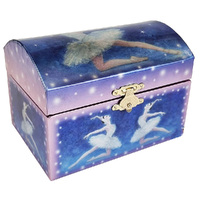
Round Ballerina Music Box (Tchaikovsky-Swan Lake)
Whilst these symphonies and cinematic scores often define our history, music has also found its way into the smallest of spaces through the invention of the music box. Emerging in the late 18th century as an evolution of a musical snuffbox, these delicate mechanical instruments brought the luxury of a private performance into the home for the first time. This transition from the public concert hall to the personal keepsake allowed melodies to become treasures that could be replayed at any time.
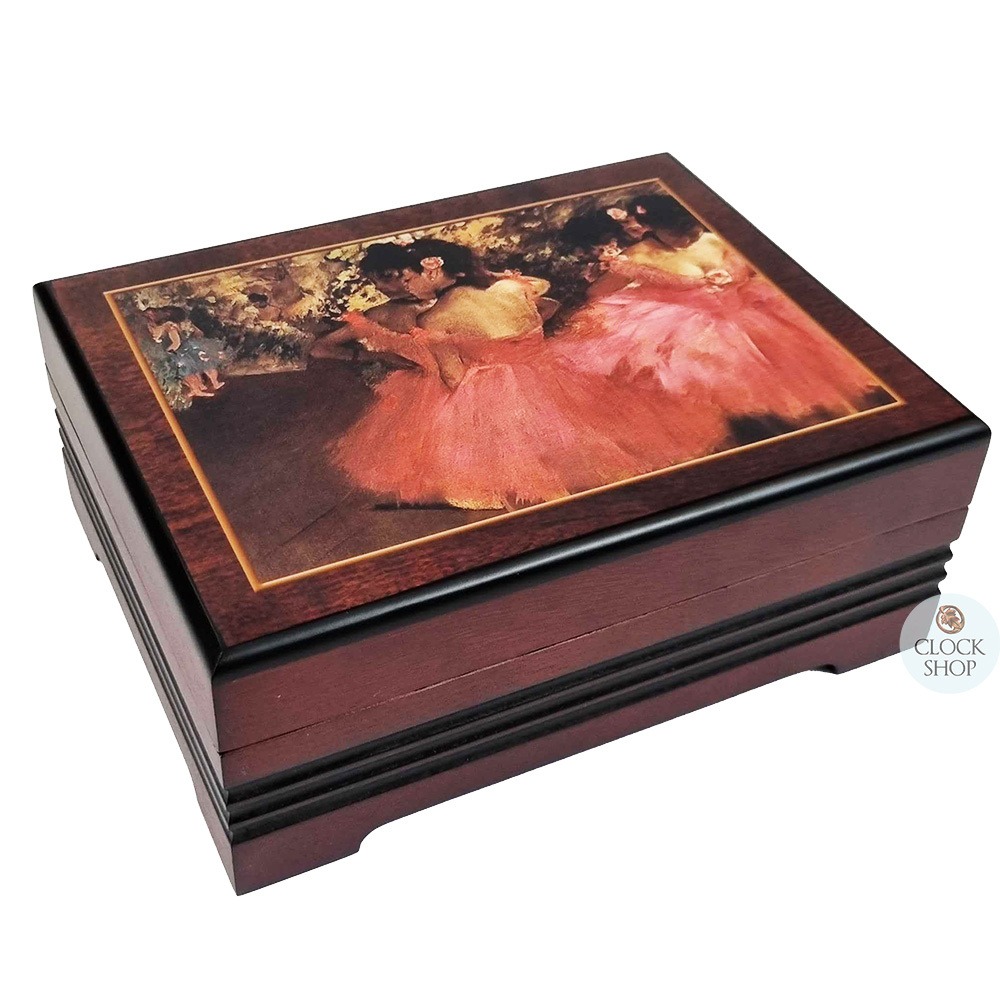
Wooden Musical Jewellery Box- Dancers In Pink By Edgar Degas (Tchaikovsky- Swan Lake)
No matter the style of tune you are searching for, we have over 300 different music boxes available in our curated collection of music boxes, with styles to suit everyone.
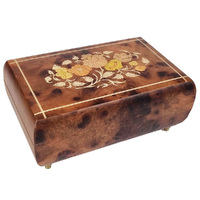
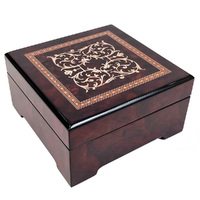
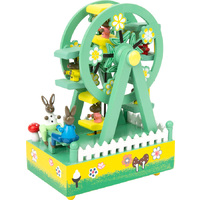
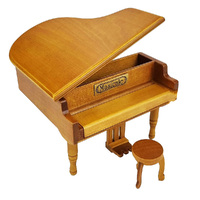
Our elegant vintage style music boxes are crafted from timber, and often feature famous artworks from famous painters such as Monet and Van Gogh, paired with well known classical music. For the younger generation, our children’s music boxes and ballerina music boxes provide a magical introduction to music at an early age. We also carry a large selection of hand-wound music boxes with a wide range of melodies including Christmas tunes and Classical music, through to modern tunes that will make your heart sing. We also feature a variety of novelty music boxes that provide entertainment for all ages. As you explore our full music box collection, remember that choosing a melody is about welcoming a piece of musical history into your home.