

















The Barrel Organ- The Sound of Old Germany
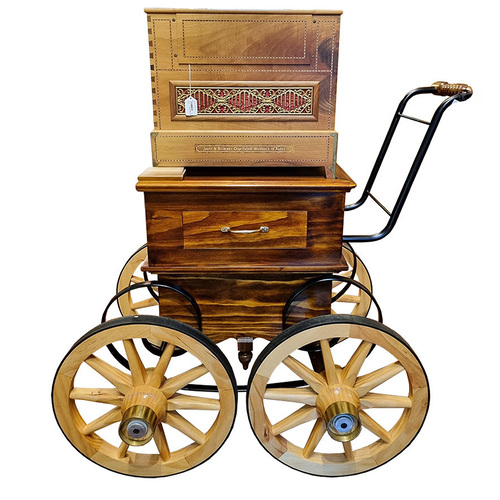

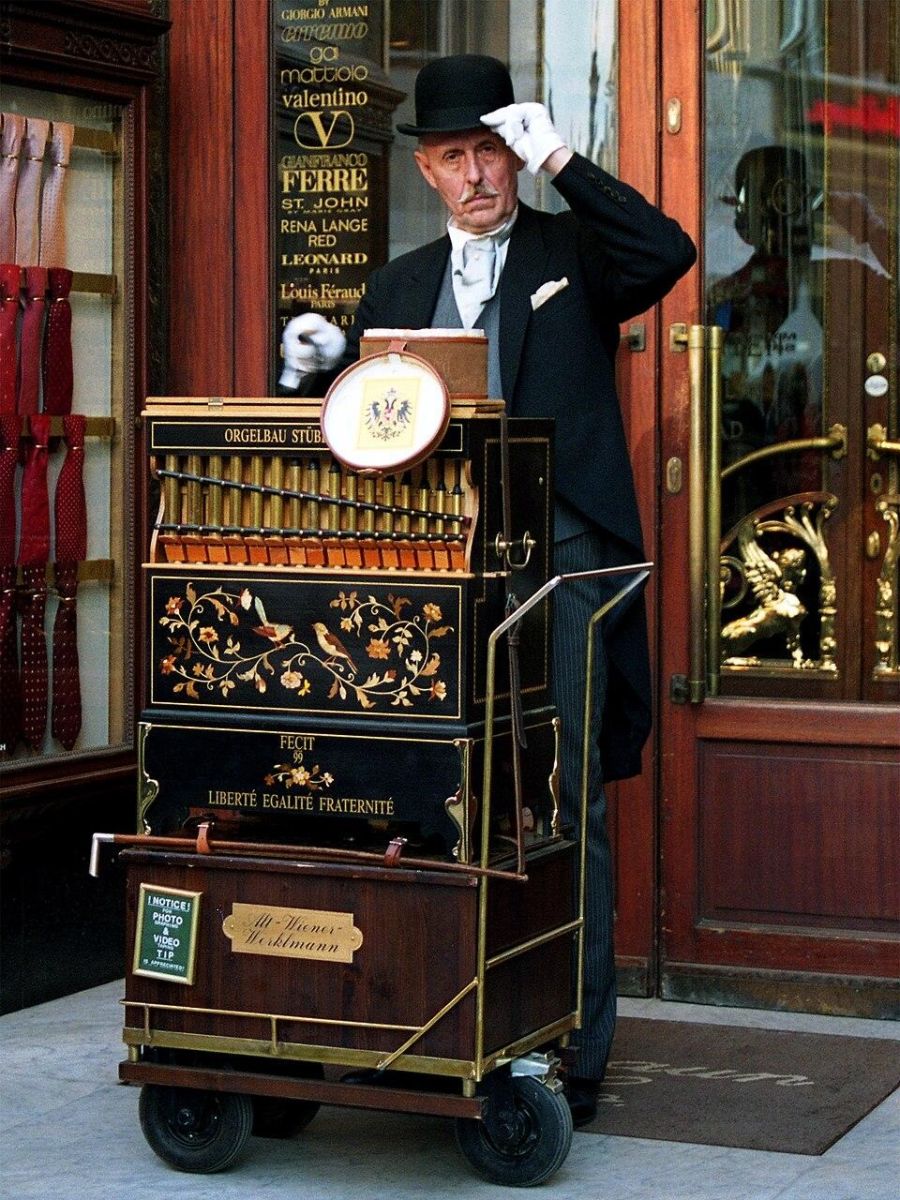
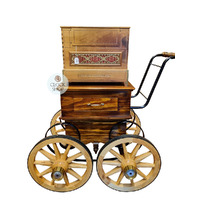
A German barrel organ, or Drehorgel, is a traditional mechanical wind instrument featuring pipes and bellows housed in a wooden case. The music is produced by turning a hand crank that rotates a pinned cylinder. Common at German Christmas markets and in street music culture, these instruments range from small portable units to larger, complex fairground organs. They were very popular during the 19th century Berlin marketplace, though you can still find a piece of “old Germany” in the modern day today.
Unlike a piano or a violin, the barrel organ requires no nimble fingers—just a steady arm and a sense of rhythm. Historically, these instruments were the "MP3 players" of their day.
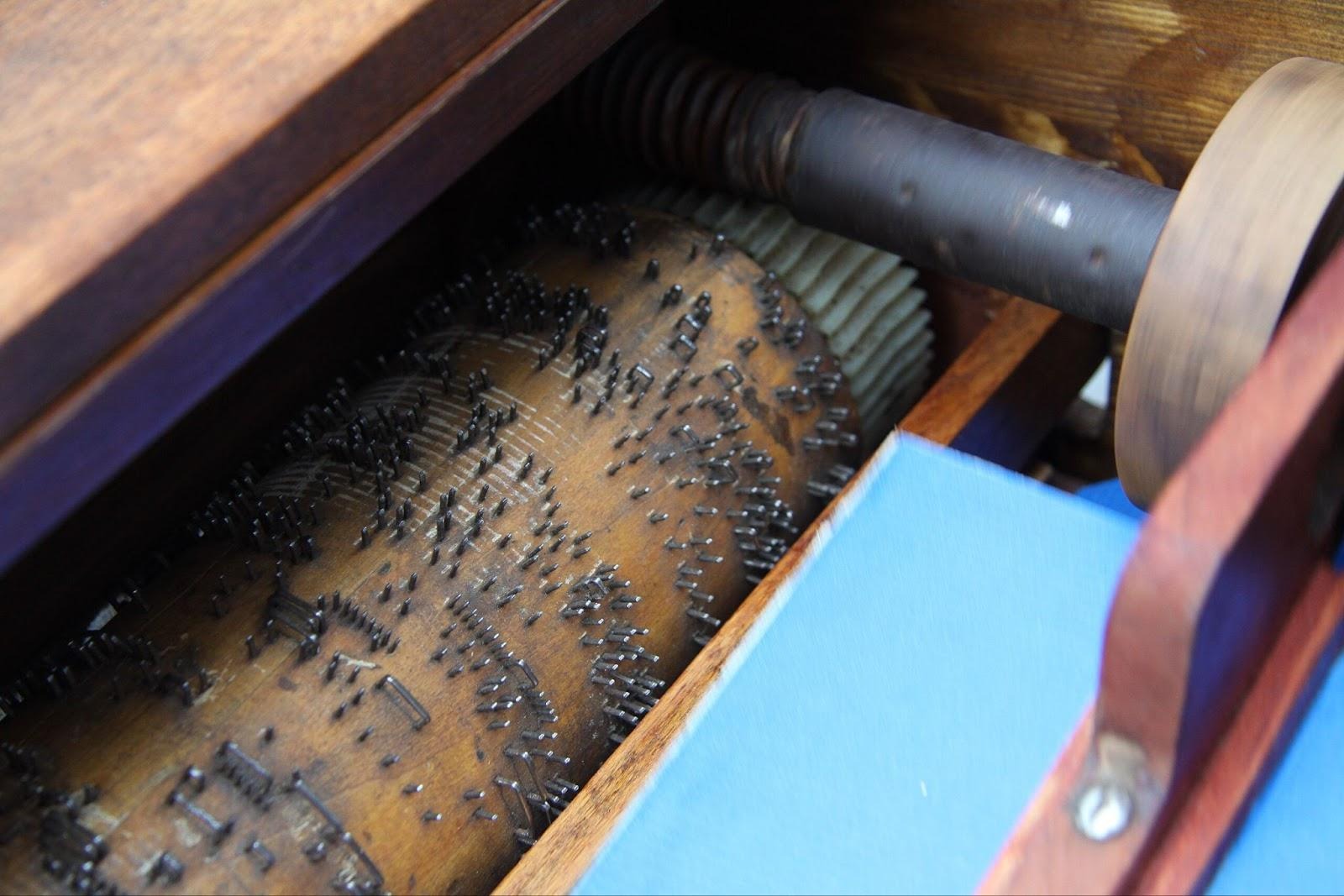
At its core, a barrel organ is a mechanical pipe organ that shares the same physics as the massive instruments found in cathedrals, only miniaturized into a portable wooden box. The "brain" of the machine is the barrel, a wooden cylinder that is often highly decorated. The barrel is pinned with thousands of tiny brass staples, which dictate which notes play, and when. As the organist turns the hand-crank, a worm gear rotates this cylinder, whilst a crankshaft simultaneously pumps leather bellows to fill a wind chest with pressurized air. When a pin on the rotating barrel lifts a metal lever, it opens a valve that allows air to rush into a specific pipe, creating a note. Notes are arranged inside by particular pins which produce beautiful and unique melodies- in fact, each barrel organ can play 10 or more tunes. The size of the barrel will depend on the number of notes in the organ and the length of the tune to be played. The more notes, the longer the barrel.
Traditionally, large barrel organs were found mostly in churches across Europe, gaining popularity in the 20th century as street organs and fairground organs, as well as feature items at modern day German Christmas markets. Many larger versions were located in churches, fairgrounds, music halls, and other large establishments such as sports arenas and theatres. The larger barrel organs were often powered by very heavy weights and springs, like a more powerful version of a longcase clock. They could also be hydraulically powered, with a turbine or water wheel arrangement giving the mechanical force to turn the barrel and pump the bellows.
Why the Drehorgel Still Captivates
In our digital age, there is something deeply grounding about a machine you can actually see working. The mechanical acoustics offer an authentic atmosphere, providing a sound that speakers can’t replicate. Playing a barrel organ provides a performance for all people. They are great at events and parties, where party goers gather around, watching the gears turn, and taking turns at turning the crank themselves. Unlike a hurdy-gurdy, the barrel organ plays pre-programmed, fixed compositions. They are often called street organs, roller organs, or hand organs.
Where It Originated
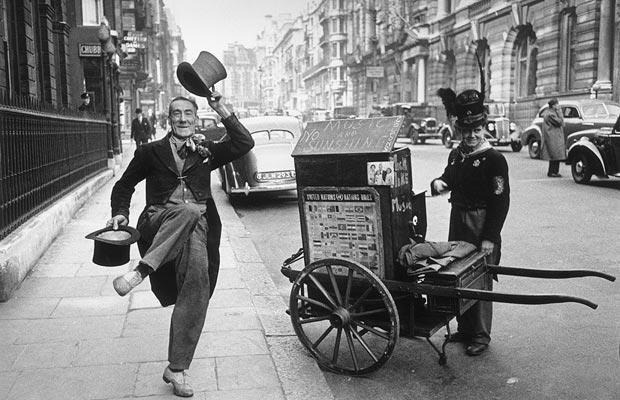
Mick and Mike" by Slim Aarons
The earliest working version of a barrel organ dates back to roughly 1502, with roots in European mechanical technology. While concepts for pinned barrel mechanisms existed earlier, the portable "street organ" became popular in the 18th and 19th centuries, evolving from larger church and chamber instruments. Some evidence points to the 15th century in the Netherlands, while descriptions of similar mechanical systems date back even further to the 9th century.
The home of the barrel organ is the town of Waldkirch in the Black Forest, which became a global hub of mechanical music in the 1800s. The Bruder family who were based in Waldkirch were premier 19th and early 20th-century builders of high-quality barrel organs, fairground organs, and mechanical instruments. Founded by Ignaz Bruder in 1829, the family business became world-renowned for ornate, powerfully voiced, and durable instruments, often featuring moving figurines, popular in fairgrounds and on carousels.
Meanwhile, in the bustling streets of Berlin, the Bacigalupo family crafted the iconic "Berlin Street Organ," providing the definitive soundtrack to the city’s cabaret culture and golden era.
The man turning the crank, known as the Orgelmann or a grinder, was a vital social figure in German society for centuries. Before the invention of the radio, this was the primary way people heard the latest hits from the opera houses or popular folk songs from distant regions. For many disabled veterans of the Napoleonic or Franco-Prussian wars, a government-issued "grinder's license" served as a form of social welfare, allowing them to earn a living through music.
Even legendary composers like Mozart and Haydn wrote specific pieces for mechanical organs. From the miniature "canary organs" used to teach songbirds melodies in private parlours to the grand fairground organs that roared over the noise of the Oktoberfest, the barrel organ remains a long standing form of music that can be enjoyed by all.
Whilst the golden age of the street organ has passed, Germany remains the best place in the world to experience these mechanical wonders. You can find them in dedicated museums, at specialized festivals, and even still being played by traditional organ grinders in the streets of Berlin, and at various Christmas markets across the country.
Listen To A Barrel Organ At German Christmas Markets
Festivals and Public Performances
Berlin.de
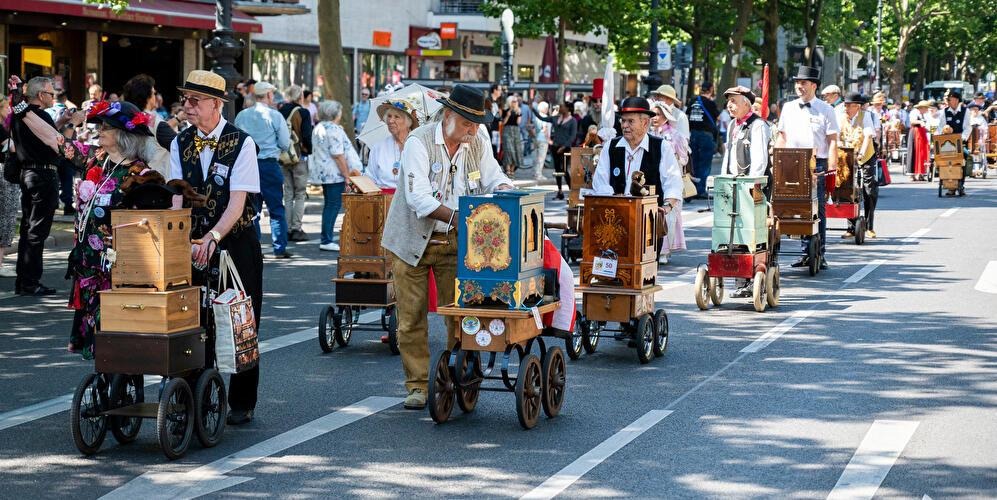
If you want to see these instruments in the open air—you should look for the International Barrel Organ Festival. In 2026, Berlin will host this event from July 3rd to July 5th at Breitscheidplatz, where over 100 organ grinders from around the world gather to fill the city with sound.
The town of Waldkirch also holds a massive festival every three years. During this weekend, the entire town becomes a stage for street organs, fairground organs, and mechanical music boxes of all sizes. The last event happened in 2025.
The Modern Orgelmann
Berolinchen and Bärchen
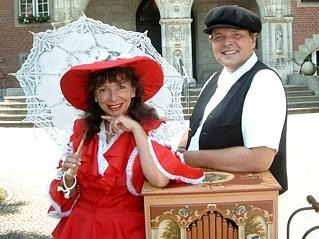
In Berlin, the tradition of the street performer is not entirely gone. You can occasionally find professional organ grinders, such as the well-known duo Berolinchen and Bärchen, performing at local markets, historical festivals, or near the Brandenburg Gate. They often dress in traditional 19th-century attire, keeping the visual appeal of "Old Berlin" alive for modern travellers.
Jäger & Brommer - Custom Made Organs
Another well renowned company is Jäger & Brommer, founded in 1988 and run by master organ builders Heinz Jäger and Wolfgang Brommer. Jäger specialises in sound production and construction, he is the great-grandson of Orchestrion factory owners of Gebrueder Weber, Waldkirch. On the other hand, Brommer was born into a family of musicians, being a musician himself. He focuses on the production and management of church organs and barrel organs to see them through to completion.
Our Barrel Organ
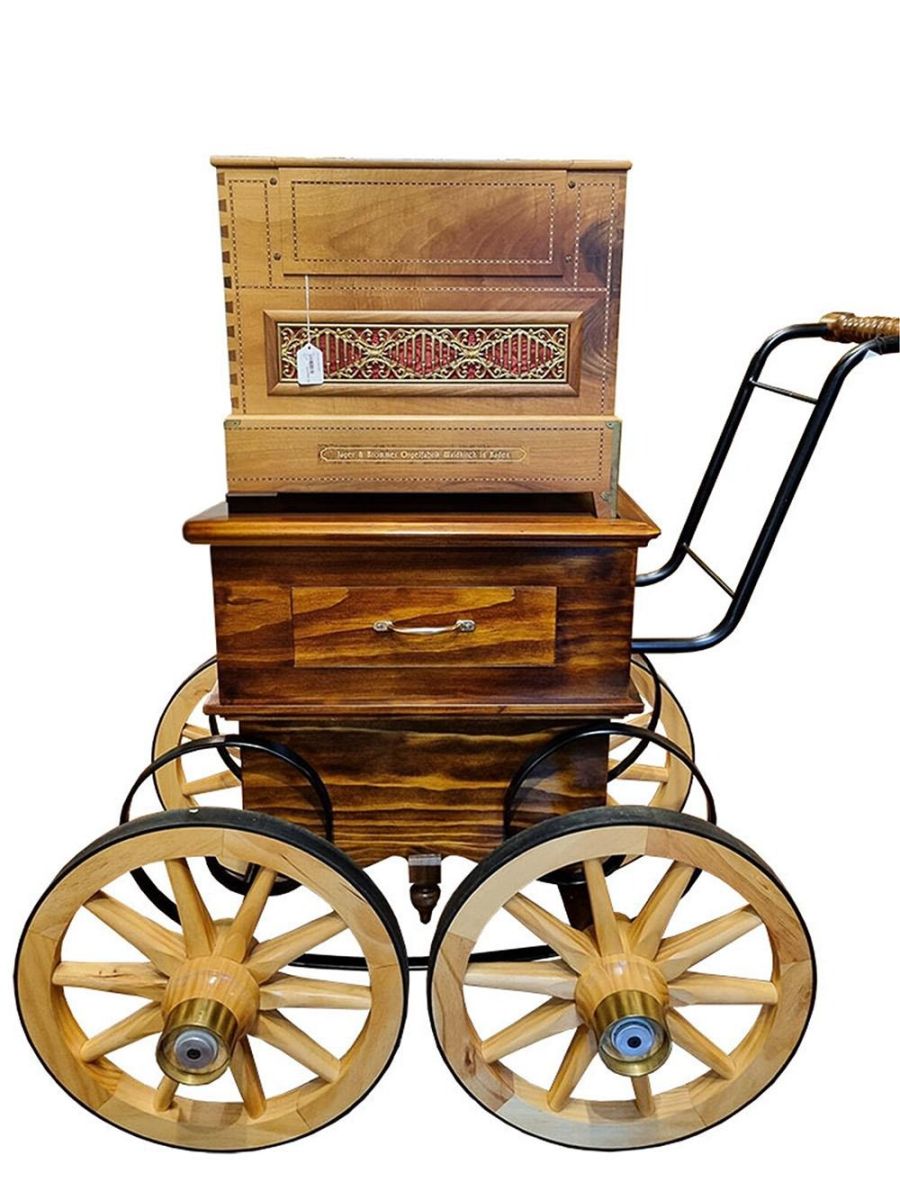
Clock Shop is proud to have an exquisite Brother Brothers 2008 Barrel Organ, handcrafted by world class organ builders Jäger & Brommer. This spectacular item features a solid walnut wood case that has been jointed by hand and provided with inlaid straps. The feature stage on the barrel organ includes a rotating mechanism with two pairs of dancing figurines, and an organ grinder in the middle. The organ grinder also features a dancing monkey who turns in a circle around his feet. The figurines have all been elaborately hand carved and are featured in Waldkirch traditional costumes of the Black Forest.
The technical equipment of this fascinating item includes the following:
- 20 covered wooden pipes
- 20-note tape system
- Forward and backward feature for the piano rolls
- Solid walnut case
- Real wood inlays
- Figure stage with moving figurines
- Removable hand forged drive crank
- Measurements: 42cm x 48.5cm x 32cm
What sets this barrel organ apart is that the entire piece has been crafted by Jäger & Brommer who have seen the project through from start to completion. The combination of the design, creativity and attention to detail that Jäger & Brommer encompasses truly represents what the essence of Black Forest high class workmanship is all about.
Listen To Our Barrel Organ Play
View more about our barrel organ here
Whether playing through the cobblestone streets of 18th-century Berlin or providing a nostalgic soundtrack to a modern Christmas market, the barrel organ remains a masterpiece of mechanical ingenuity. It preserves the craftsmanship of the Black Forest and the spirit of communal street music. By combining history, physics, and artistry, the Drehorgel ensures that the "sound of old Germany" is never truly lost, but rather continues to turn, one crank at a time, for new generations to enjoy.