






























A Cultural Journey Through German Drinking Traditions
Date Posted:1 August 2026
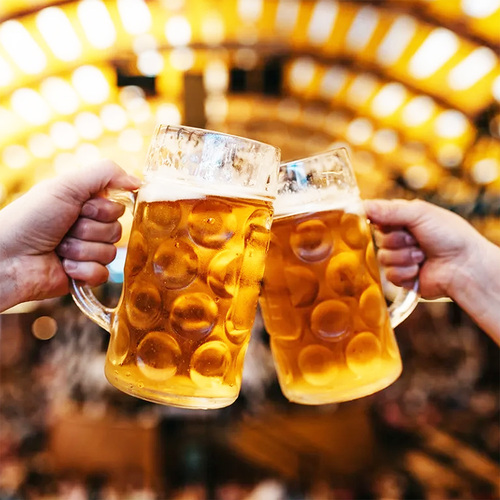

In Germany, drinking beer is a deeply rooted cultural norm shaped by centuries of tradition and iconic drinking accessories. From the strict purity standards of the 500 year old Reinheitsgebot to the specialised glassware and social rituals that define the experience, German beer culture is rich with history, and community.
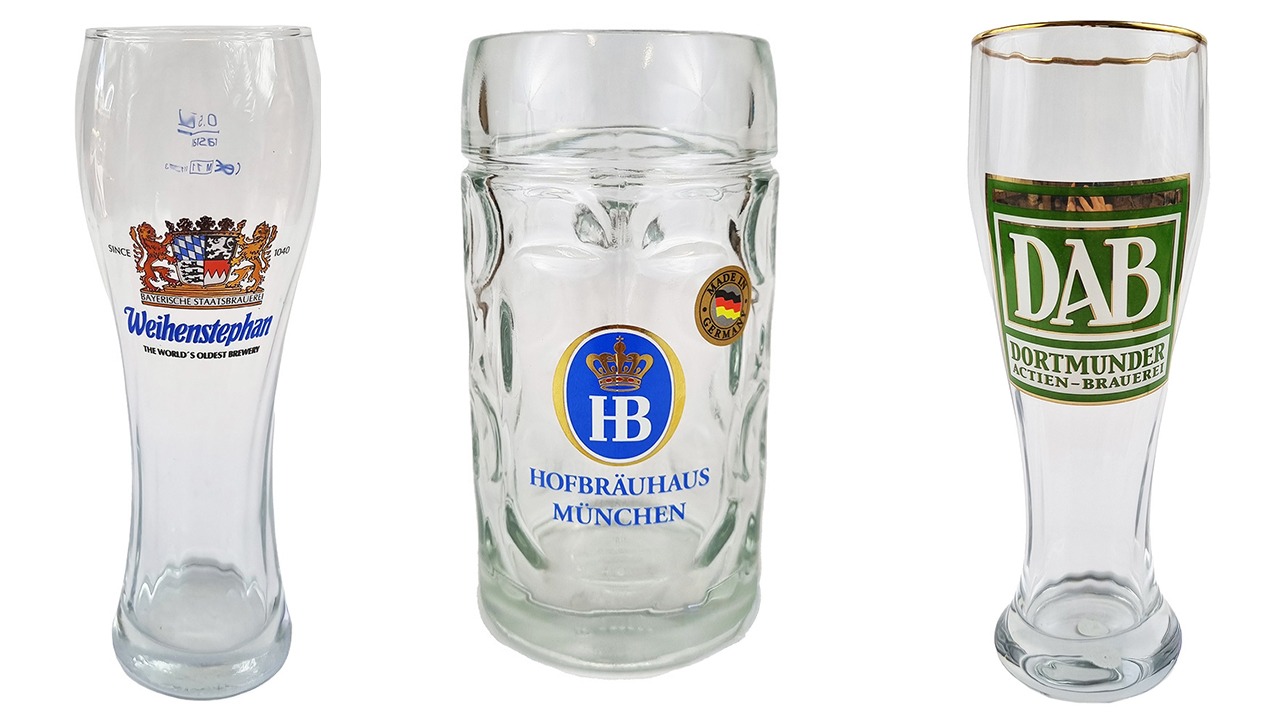
Germany is home to some of the oldest breweries in the world, many of which were originally established and run by monks over 1000 years ago. The most famous of these is Weihenstephan, which is listed as the world's oldest brewery. While its official founding at the Benedictine Weihenstephan Abbey was recorded in the year 1040, its history goes back even further. Records show that brewing activities were likely happening on-site as early as the year 768, when the presence of a hop garden was first documented. A similar brewery, Augustiner-Bräu was built in Munich in 1328 by monks, and is still in operation today, whilst Hofbräuhaus was established in Munich in the 16th century by the Duke of Bavaria. Additional breweries include Paulaner, Spaten, and Augustiner each which contribute their own legacy, with recipes and techniques that have been passed down through the generations. Many of our authentic steins and beer glasses showcase the crests of legendary German breweries. These are the very institutions that defined global brewing standards over five centuries ago with the Reinheitsgebot (German Beer Purity Law), which was implemented by the Duke of Bavaria, Wilhelm IV in the early 1500s to regulate the growing beer market. The Reinheitsgebot has just one simple rule. Any beer produced within this region can only contain three simple ingredients- water, barley and hops. Prior to 1516, brewers commonly used ingredients such as fingernails, wood chippings, soot, hallucinogens, and even poisons to kick start the fermentation process, however after the introduction of the Purity Law, brewers had to be much more careful with what they put into their beer. This mandate has now successfully kept German beer pure and free of harmful substances for over 500 years. Amazingly, today this law forms part of the federal legislation and is the oldest consumer protection regulation still in use, although there have been various modifications over recent years. Some of these modifications include permitting the addition of yeast to the fermentation process, permitting other types of malted grain and allowing the sale of beer with additional ingredients to still be sold, albeit not classified as true ‘beer’. This 500 year old tradition has become so deeply ingrained within German culture that they celebrate it annually on April 23rd. Many brewers recognise the Reinheitsgebot as a powerful opportunity to showcase their pure products to a worldwide market, along with the drinking vessels themselves that showcase their emblems and logo.
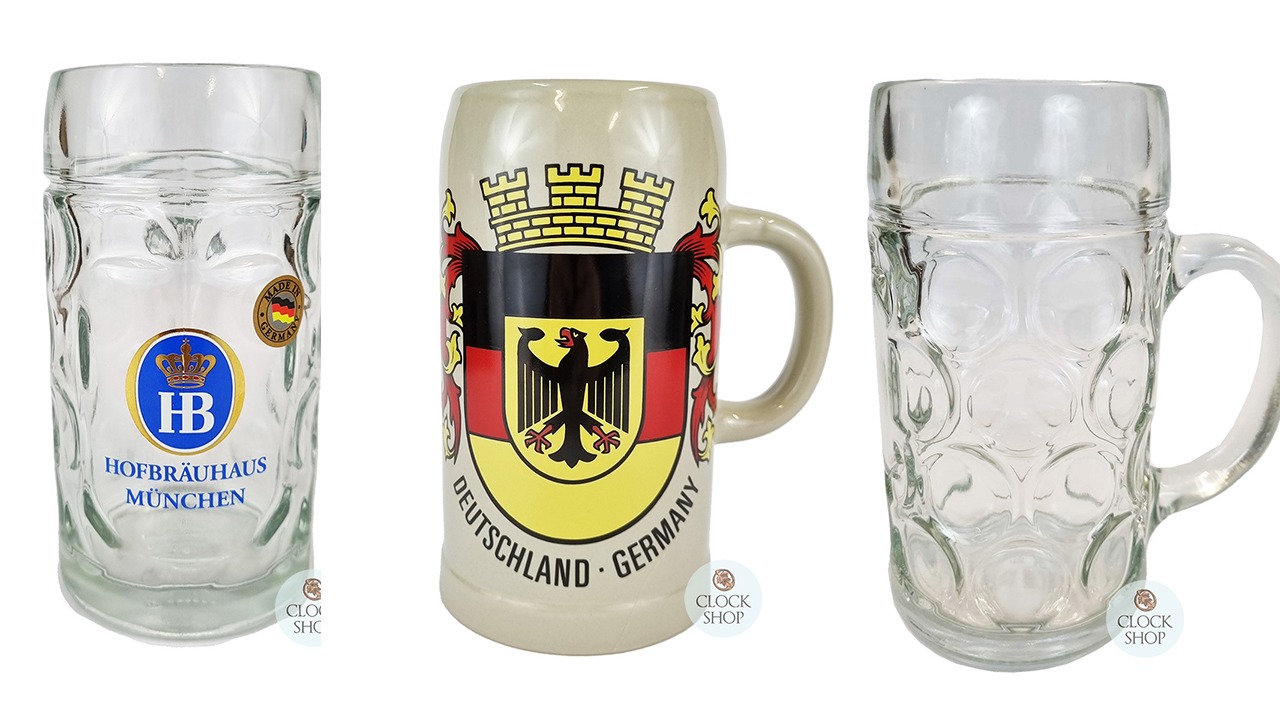
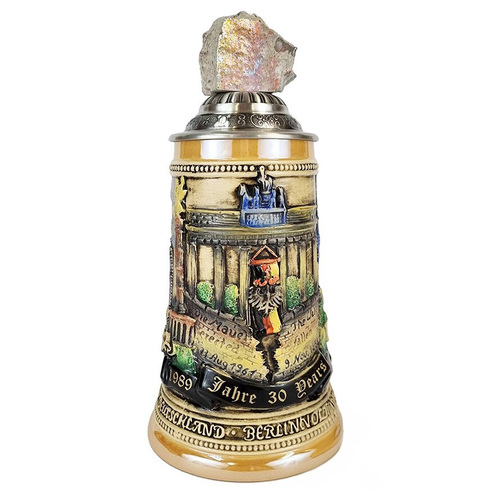
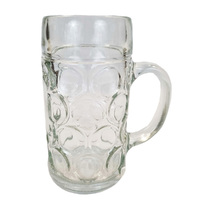
From the iconic Maß (1 litre beer mug), down to the tiny schnapps glass, each drinking accessory helps Germans to gather, celebrate, and connect in different ways. The Maß is perhaps the most recognisable of all German beer vessels, widely used in Bavaria and famously associated with Oktoberfest tents and beer gardens. A Maß is a German term for a unit of volume, mainly used for beer, used with the Maßkrug which is the physical glass or stoneware mug that holds the beer. It is a staple of Bavarian culture, representing a large one-litre serving of beer. The phrase ‘Eine Maß bier, bitte' is common throughout Germany, translating to “one litre of beer, please”. The pronunciation of Maß sounds similar to the word “mass”, but pronounced with a long “ah” sound, and a sharp hissing ss at the end.

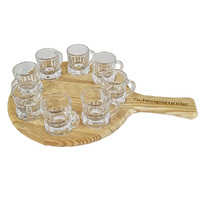
Whilst the Maß is designed for slow sips and lengthy conversations, at the other end of the scale is the schnapps glass (Schnapsglas). Small, elegant, and often filled with fruit brandies or herbal liqueurs, schnapps glasses are used for more intimate and deliberate moments, along with celebrations. Schnapps is generally consumed in short meaningful sessions, often after a heavy meal of pork knuckle or bratwurst to aid digestion and punctuate conversation. A schnapps serving is designed to be consumed quickly in the moment, often raised with a "Zum Wohl!"—a toast specifically to one’s health or friendship. In a traditional setting, no one drinks alone; it is better to share the moment collectively, enjoyed with a 20ml single serving, or a 40ml double serve.
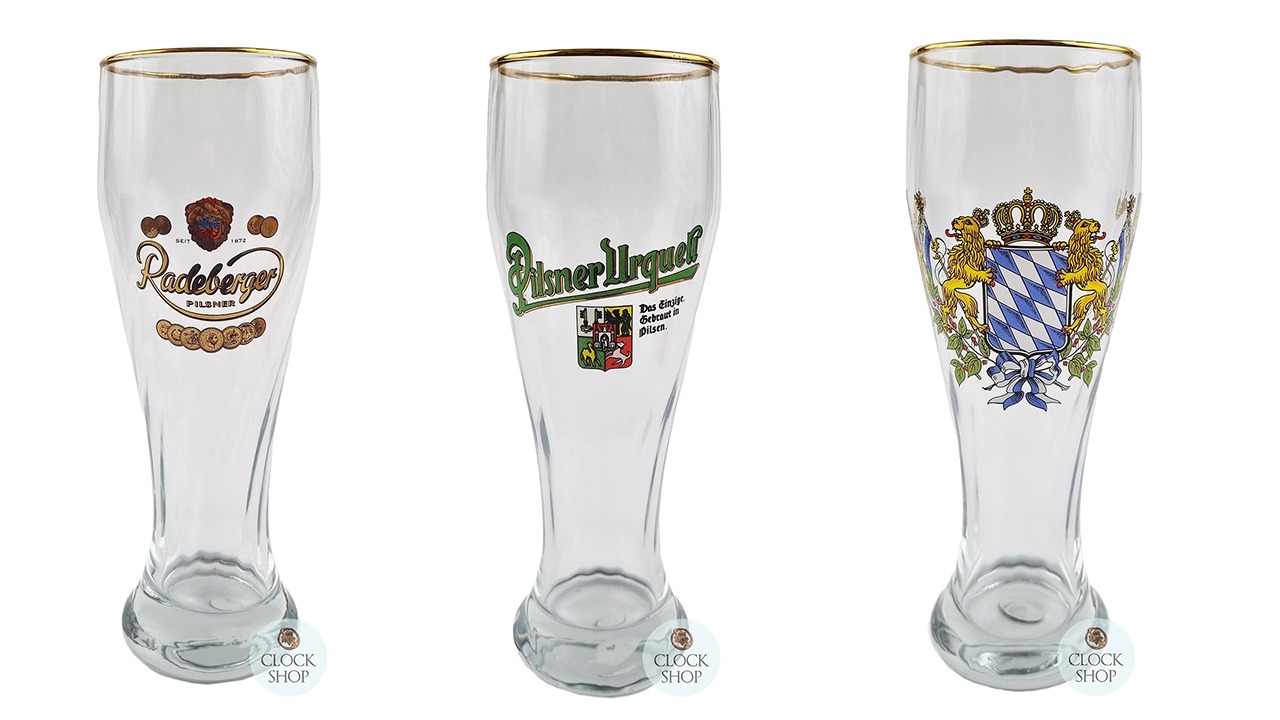
Between these two extremes lies a diverse world of German beer glasses, each designed to enhance the characteristics of specific beer styles. The tall, slender wheat beer (weizen) glass showcases the cloudy appearance and foamy head of wheat beers, whilst the sturdy dimpled mug, or “Seidel,” offers a more casual, everyday drinking experience. Pilsner glasses are purposefully sleek, narrow and tapered, highlighting the clarity and carbonation of German lagers, whilst the Tulip glass, with its larger rounded body and elegant flared rim is designed for stronger ales like malt-heavy brews.
In addition to drinking certain beers with specific glassware, drinking is also governed by a set of unwritten but strictly observed social rules. When toasting with a Maß, it is vital to maintain eye contact with your companions; failing to do so is believed to bring seven years of bad luck. Eye contact is considered a sign of trust, connection, honesty and respect to those around you. The toast itself usually begins with a hearty "Prost!" followed by the clinking of the bottoms of the beer mugs. When transitioning to the smaller schnapps glasses, the energy shifts, as these are designed to be consumed quickly and collectively as a group. These drinking rules turn the act of drinking beer into a shared experience that has also become a cultural norm throughout Germany.
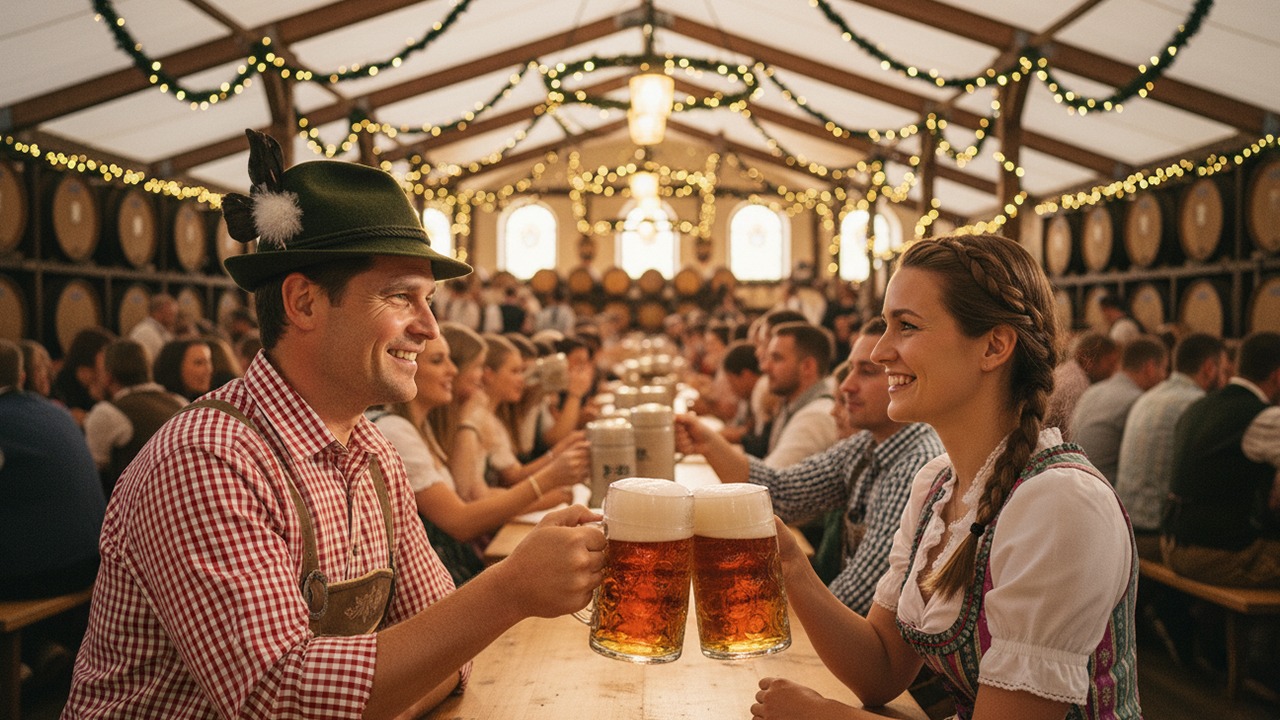
Ultimately, whether raising a one-litre Maß in a crowded beer hall or savouring a sharp Schnapps after a family meal, drinking in Germany remains less about the alcohol itself and more about Gemütlichkeit: that unique sense of warmth, friendliness, and belonging. By pairing the right glass with the right social ritual, Germans have transformed the act of having a drink into a celebration of history, quality, and community.