




































































German Punctuality- How Clocks Shape National Character
Date Posted:1 October 2026

Germany’s reputation for punctuality is well known. There is an old German saying that perfectly captures the country's relationship with time: “Pünktlichkeit ist die Höflichkeit der Könige” (punctuality is the politeness of kings). In Germany, being on time and keeping to a schedule is considered polite; considerate and trustworthy. Germans respect order, reliability, and time, which can be attributed to their long tradition of clockmaking and engineering.
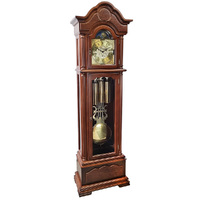
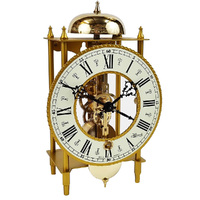
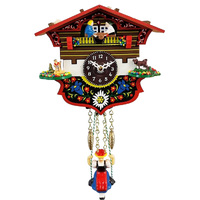
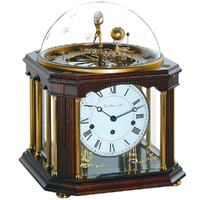
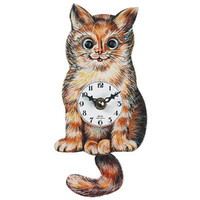
Clockmaking is a true cultural icon of Germany. The cuckoo clock originated from the Black Forest in the mid 1700’s, with the original design thought of as early as 1629, when an Augsburg merchant named Philipp Hainhofer first developed the idea of a cuckoo clock. The first German cuckoo clock was crafted in the 1730s in the Black Forest in the village of Schonwald, by a local clockmaker named Franz Anton Ketterer- a name that is well recognised as one of the earliest makers of cuckoo clocks. Slowly, Black Forest villagers began making similar style cuckoo clocks in their own workshops, eventually leading to the well recognised cuckoo clock. Over time, different villagers in the Black Forest began to specialise in a particular aspect of the cuckoo clock, from the gears, to the case, to the mechanics and the wood carvings, working alongside each other, to each other's strengths. Quickly, the Black Forest region became well known for clock making, craftsmanship and precision timepieces, evolving from the cuckoo clock and grandfather clock through to modern timepieces and digital clocks. What started as a hobby for local workers looking to supplement their income quickly transformed into a highly organised, world-renowned industry that is still thriving today, hundreds of years later.
A clock only works properly when every part is carefully crafted and fitted. That same logic influenced how Germans came to think about machines, schedules, and social order. The rise of railways and industrial production emphasised focus on timing and schedules to keep up with the pace of the modern era. From automotive plants to industrial machinery, German manufacturing focuses on reliability, precision, and systematic organisation. Global giants like BMW and Siemens solidified the nation's reputation for precision, creating products that are well engineered and tested.
In everyday life, this ethos shows up in small but important ways. People tend to arrive a little early for appointments, meetings begin on time, and lateness is usually taken seriously unless there is a clear explanation. Stopping by a friend's house unannounced is unheard of. Socialising, much like business, is scheduled weeks in advance. This ensures that when time is given, it is undivided and high quality. That expectation is part of a wider social norm: everyone’s time should be respected. In German society, social context also plays a part, where certain occasions allow more flexibility, such as a casual gathering. What matters most is communication. Germans place high value on Zuverlässigkeit (reliability), and responsibility through communication. If a project, a train, or an appointment is scheduled, deviations to the schedule can cause friction, ultimately disrupting the downstream schedules of everyone else involved.
From the humble clockmaking workshops of the 18th-century Black Forest, through to the high-tech assembly lines of modern industrial giants, the mechanics of clockmaking have served as a blueprint for German society over the last 200 years. Just as a traditional cuckoo clock relies on the synchronicity of every part to function perfectly, German daily social life thrives on the predictability of schedules and clear communication. By honoring time, Germany maintains a finely tuned society where every individual's time is treated with respect.